
Solar PPA Vs Buying: Which Is Better For Your Warehouse?
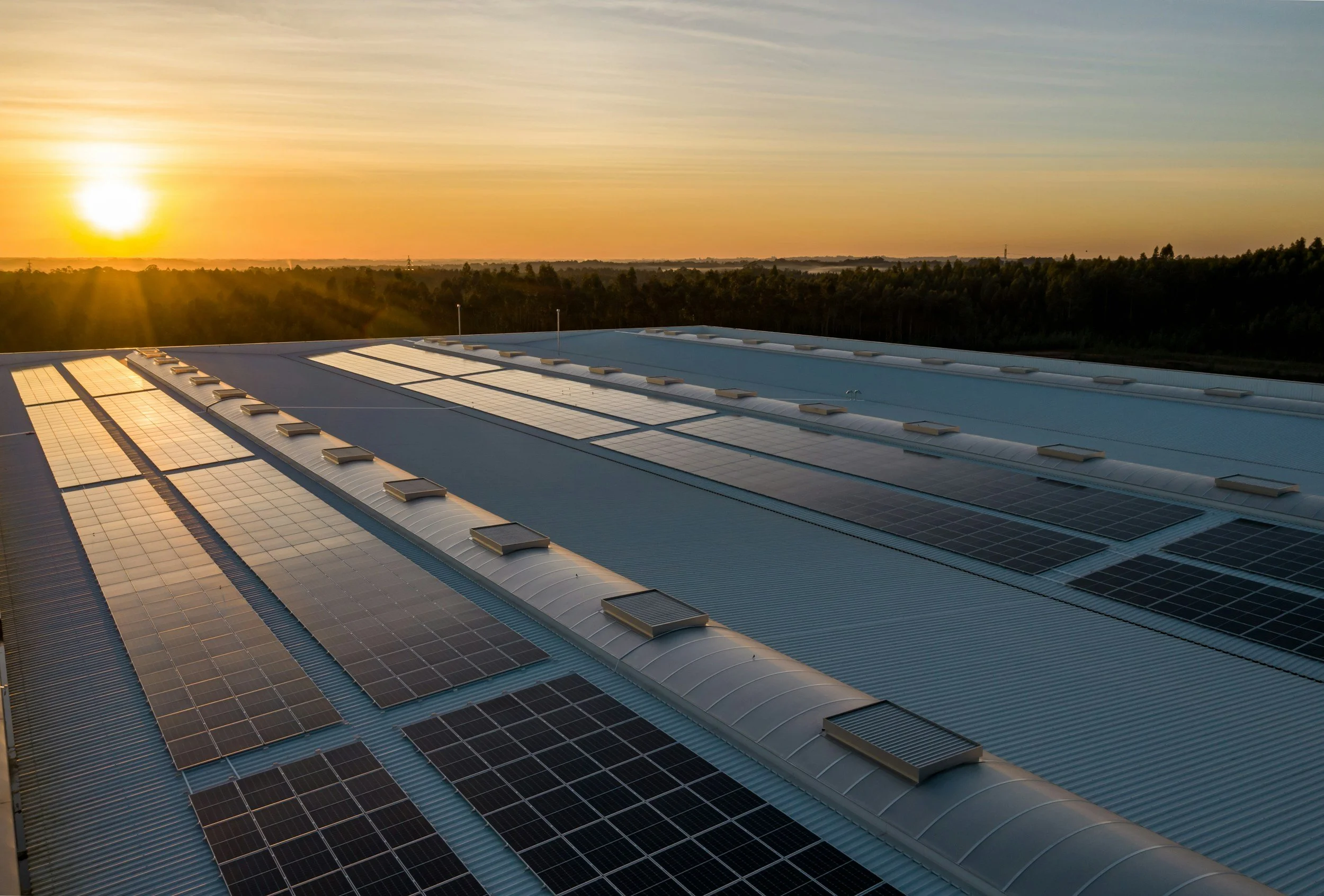
If you operate a warehouse or logistics hub in the UK, your roof is likely your most underutilised financial asset. With electricity prices for businesses sitting between 22p and 28p per kWh in recent years, the cost of keeping the lights on and the conveyors moving has become a major line item on the P&L.
At ARLO, we help businesses cut these costs by 30-70%. But the question we get asked most often by directors and operations managers isn’t "Does solar work?": it's "Should we buy the system outright or go for a Power Purchase Agreement (PPA)?"
Both options are commercially sensible, but they serve different business goals. We don’t do jargon, and we don’t do pushy sales. Here is the straightforward breakdown of how the numbers stack up for your warehouse in 2026.
Option 1: Outright Purchase (The High-ROI Move)
Buying your solar system is exactly what it sounds like. You pay the capital expenditure (CapEx) upfront, and in return, you own the asset from day one.
For a warehouse with a high base load: think cold storage, 24/7 fulfilment centres, or sites with significant automation: this is usually the most profitable long-term path.
The Financials
Payback Period: Typically 3 to 5 years.
Annual ROI: Between 16% and 45%, depending on your energy usage.
Effective Energy Cost: Once the system is paid back, your electricity is effectively costing you around 4-5p per kWh (covering minor maintenance).
Tax Efficiency: You can use the Annual Investment Allowance (AIA) to deduct 100% of the installation cost from your pre-tax profits in the first year.
Why You’d Choose It
If you have the capital available or access to low-cost financing, buying gives you the maximum possible savings over the 25-year life of the panels. You aren't just lowering a bill; you are creating a high-yield energy asset on your balance sheet.
Smarter Energy. Maximum Returns. Asset Control.
Option 2: Solar PPA (The Zero-Upfront Move)
A Commercial Solar PPA is a "no-brainer" for businesses that want the benefits of renewable energy without the capital hit. A third-party funder pays for the design, the panels, the installation, and the ongoing maintenance.
You simply agree to buy the electricity generated by the panels at a rate significantly lower than the grid price.
The Financials
Upfront Cost: £0.
Immediate Savings: Typically 30-50% lower than your current grid tariff.
PPA Rate: Usually between 10p and 17p per kWh, fixed or indexed for 15-25 years.
Maintenance: Covered by the provider. If the system doesn't perform, they don't get paid.
Why You’d Choose It
If you’d rather keep your capital for core business growth: like expanding your fleet or upgrading warehouse management systems: the PPA is the right move. You get "day one" cash flow improvements without touching your bank balance.
Zero Capital. Instant Savings. No Risk.
Direct Comparison: At a Glance
Why Warehouses are Prime Candidates for Solar
Logistics and warehousing sites have two things solar loves: massive, flat (or low-pitch) roofs and consistent daytime energy demand.
Massive Scale: A 50,000 sq. ft. warehouse roof can house hundreds of kilowatts of commercial solar panel installation, generating enough power to run the site and often sell surplus back to the grid.
Load Matching: Unlike residential homes where people are out during the day, warehouses are active when the sun is out. This means you use the electricity as it’s generated, avoiding expensive grid imports.
Future-Proofing with Battery Storage: Adding battery storage for businesses allows you to store excess solar power from the afternoon and use it for night shifts or early morning starts. It also protects you against peak-time "Red Zone" charges from the grid.
The "Sobering" Reality Check
We won’t waste your time with "too good to be true" claims. While the financial benefits are massive, there are hurdles to clear:
Grid Connection: You need permission from the District Network Operator (DNO). In some areas, the grid is congested. We handle this for you, but it’s the biggest variable in your timeline.
Roof Integrity: Your roof needs to be structurally sound. Our engineers assess this early to ensure no surprises down the line.
Timelines: From first assessment to "flipping the switch," expect a window of 3 to 6 months. The sooner you start the feasibility study, the sooner you stop overpaying for energy.
Your 3-Step Action Plan
We don't do "pushy." We do commercially sensible designs delivered through vetted, MCS-accredited partners. If you are ready to stop the energy price bleed, here is the path forward:
The 10-Minute Assessment: Use our solar savings calculator to get a rough estimate of what your roof could be worth.
The Design Phase: We’ll look at your half-hourly (HH) data and your roof plan to create a bespoke design that balances ROI with your specific operational needs.
The Delivery: We manage the DNO applications and the installation through our trusted partners, ensuring your business stays operational throughout.
Smarter Energy. Lower Costs. Long-Term Value.
Ready to talk numbers? Contact our commercial team today for a straightforward, no-obligation assessment of your site.